CBD Dosage & Duration: Finding Your Sweet Spot
Navigating the world of CBD often feels like learning a new language. You have tinctures and gummies. You have capsules and vapes. Each one comes with its own set of numbers, percentages, and mg counts. It is enough to make anyone's head spin before they even take their first drop. But finding your ideal CBD dose does not have to be a guessing game. It is a personal journey. It requires patience, self-awareness, and a bit of experimentation.
The most important thing to remember is that there is no universal "perfect dose" that works for everyone. Your best friend might find relief with a single gummy, while you might need a full dropper of oil to feel the same sense of calm. This variability is what makes CBD so unique. It interacts with your body's endocannabinoid system in a way that is entirely specific to you. Understanding how to find your personal sweet spot is the key to unlocking the full potential of this remarkable compound.
Why Dosage Matters
Taking the right amount of CBD is the difference between a subtle shift in well-being and a complete lack of results. Too little might leave you wondering if it is even working. Too much might make you feel drowsy or just plain wasteful with your hard-earned money. Precision is powerful. When you dial in your dosage, you gain control over your experience. You move from hoping for relief to actively managing your wellness.
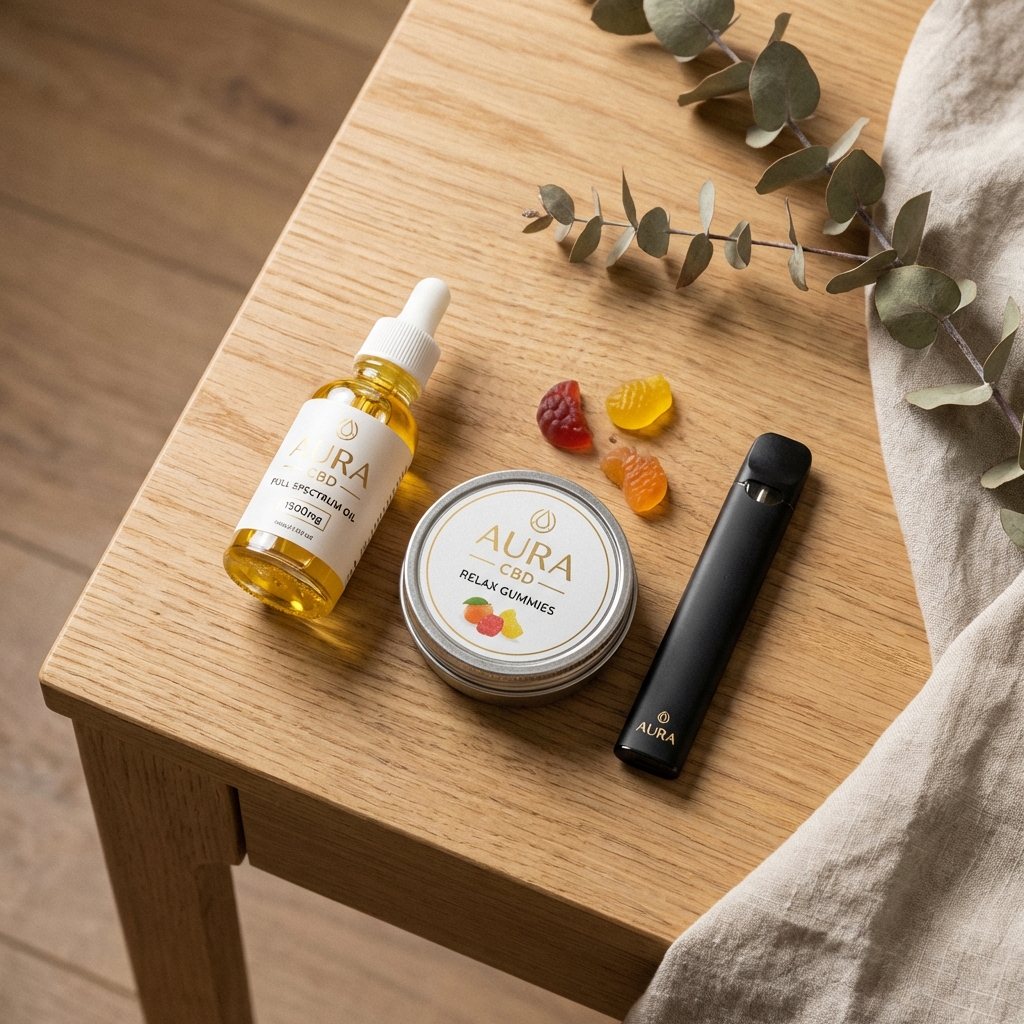
Dosage refers to the actual amount of active CBD you consume, typically measured in milligrams (mg). This is distinct from the total volume of the product. A 30ml bottle of oil might contain 1000mg of CBD total, but a single dropper might only deliver 33mg. Knowing how to read labels and calculate your intake is the first step toward consistent results. It empowers you to replicate a good day or adjust for a particularly stressful one.
How Much CBD Should You Take?
The golden rule for CBD is simple. Start low and go slow. It is tempting to jump in with a high dose, especially if you are seeking immediate relief from discomfort or anxiety. However, your body needs time to adjust. Flooding your system with cannabinoids before you know your sensitivity level is rarely the best approach.
A sensible starting point for most beginners is between 15mg and 30mg per day. This range is generally well-tolerated and sufficient to gauge your initial reaction. You can split this into two smaller doses, one in the morning and one in the evening, to maintain steady levels in your system. This method allows you to observe how you feel throughout the day without overwhelming your receptors.
Patience is your greatest ally here. CBD is often subtle. It works in the background to restore balance rather than hitting you with an intense wave of sensation. You might not feel a dramatic shift immediately. Instead, you might simply notice that you are not as irritable as usual or that your back does not bother you quite as much when you stand up. These small victories are signs that it is working.
Recommended Dosage for Beginners
If you are brand new to cannabinoids, it helps to have concrete numbers to guide you. While individual needs vary, these ranges offer a safe baseline for your first few sessions.
For CBD oil or tinctures, aim for 10mg to 20mg. The dropper usually has measurement markers to help you be precise. Hold the oil under your tongue for at least sixty seconds before swallowing to maximize absorption.
For gummies or capsules, check the mg count per piece. A standard gummy is often 10mg or 25mg. If you have a 25mg gummy, consider cutting it in half for your first time. 12.5mg is a gentle introduction that lets you test the waters safely.
For vapes, start with a single small puff. Inhalation delivers CBD into your bloodstream almost instantly. Wait ten to fifteen minutes to assess how you feel before deciding if you need another.
Factors That Influence Dose
Your ideal dose is influenced by a complex interplay of personal biology and lifestyle factors. It is not just about how much you take, but who you are.
Body Weight & Metabolism: Larger individuals generally require higher doses to experience the same effects as smaller individuals. Your metabolic rate also plays a crucial role. If you have a fast metabolism, you might process CBD more quickly, requiring more frequent dosing to maintain the benefits.
Tolerance & Experience: If you have used cannabis or other cannabinoids in the past, you might have a higher natural baseline tolerance. Complete novices often respond to very small amounts. Regular use can lead to a gradual increase in tolerance, meaning you might need to adjust your dose over months or years.
Consumption Method: How you take CBD changes everything. Inhaling vapor offers the highest bioavailability, meaning more of the compound actually enters your system. Edibles have to pass through your digestive system and liver, which can break down some of the CBD before it reaches your bloodstream. You might need a higher milligram dose of an edible to match the effects of a smaller inhaled dose.
Desired Outcome: What you want to achieve matters. Someone looking for mild focus support might only need 10mg. Someone managing chronic physical discomfort or deep sleep issues might eventually work their way up to 50mg or more.
How Long Does CBD Last?
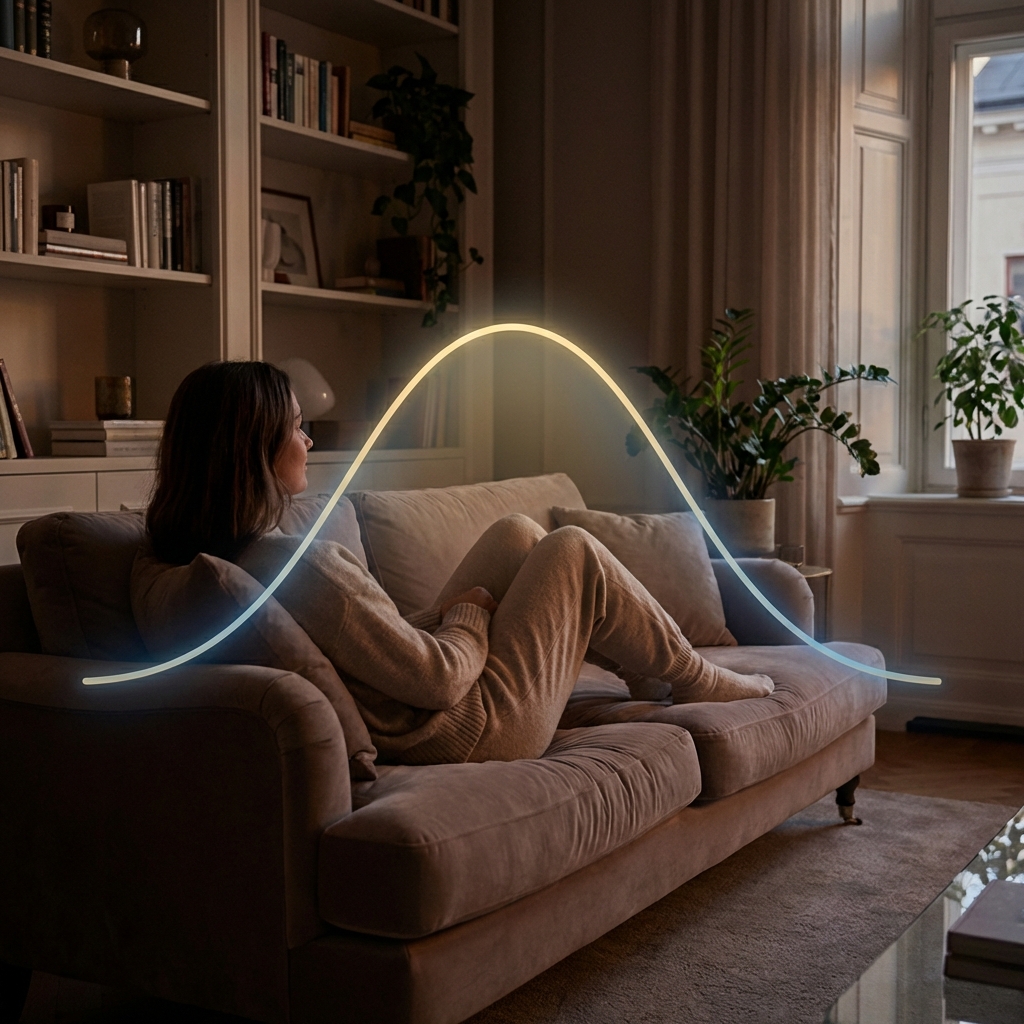
Understanding the timeline of CBD effects helps you plan your day. You do not want to take a sleep-supporting dose right before a big meeting, and you do not want your relief to wear off halfway through a long hike. The duration of effects follows a curve: onset, peak, and fade.
Onset: When Will I Feel It?
This depends entirely on your method of consumption. Vaping is the fastest, with effects often appearing within minutes. Sublingual oils are next, typically taking 15 to 30 minutes. Edibles and capsules are the slowest, as they must be digested. It can take anywhere from 60 to 90 minutes before you notice anything from a gummy.
Peak: The Sweet Spot
Once the effects kick in, they will ramp up to a peak. This is when the benefits are most pronounced. For vapes, the peak is rapid and short-lived, often occurring within 30 minutes. Oils usually peak around the one-hour mark. Edibles have a slower, more sustained peak that can last for several hours. This extended release is why edibles are often preferred for sleep or all-day relief.
Fade: The Gradual Decline
As your body metabolizes the CBD, the effects will gently wane. Inhalation effects might fade after two to three hours. Tinctures can last four to six hours. Edibles have the longest staying power, potentially providing support for six to eight hours.
Understanding the Half-Life of CBD
Half-life is a scientific term that refers to how long it takes for half of the substance to be eliminated from your body. The half-life of CBD can vary from roughly one to two days depending on frequency of use and method of intake.
This matters because CBD can build up in your system over time. This cumulative effect is why consistency is so important. Taking a small dose every day can be more effective than taking a large dose once a week. You are maintaining a steady baseline level of cannabinoids to support your endocannabinoid system around the clock.
It is important to clarify that half-life is not the same as the duration of effects. Just because the compound is still traceably present in your body does not mean you will feel its active effects for days. The therapeutic window is much shorter than the biological elimination window.
Safe Usage Tips & Best Practices
CBD is remarkably safe, but responsible use is still the best policy. You want to enhance your life, not complicate it.
Always check for third-party lab testing. This ensures that the potency on the label matches what is in the bottle and that the product is free from contaminants like pesticides or heavy solvents. Transparency is non-negotiable when it comes to your health.
Keep a dosage journal. It sounds tedious, but writing down what time you took your dose, how much you took, and how you felt two hours later is invaluable data. After a week, you will see patterns that you might have missed otherwise. You might discover that you prefer taking your oil with lunch rather than breakfast, or that you need slightly more on days following a hard workout.
Avoid mixing CBD with alcohol or sedatives until you know exactly how it affects you. While CBD is not intoxicating, it can potentiate the drowsiness caused by other substances. It is better to be clear-headed and safe while you are learning your limits.
Finding Your Optimal Dose
The journey to your ideal dose is not a race. It is a process of fine-tuning. Start with that low baseline we discussed. Stick with it for three to four days. If you do not feel the desired results, increase your daily intake by just 5mg. Stick with that new amount for another few days.
Repeat this cycle until you feel that "click." You will know it when you find it. It is that moment where you realize you are navigating your day with a bit more ease, sleeping a bit more soundly, or recovering a bit faster. Once you find that effective dose, there is no need to go higher. More is not always better. The goal is the minimum effective dose to achieve your desired quality of life.
Remember that your needs might shift over time. Stressful life events, changes in activity level, or shifts in health can all alter your ideal dosage. Listen to your body. It is the best guide you will ever have.
Dosage & Duration: Key Takeaways
Finding your rhythm with CBD does not have to be complicated. By respecting the process and paying attention to your body, you can unlock a powerful tool for daily wellness.
Dosage is deeply personal. What works for your neighbor might not work for you, and that is perfectly normal.
The experience follows a predictable curve. Knowing whether you want fast relief or sustained support will help you choose between vapes, oils, and edibles.
Consistency is the secret ingredient. Regular, moderate use often yields better long-term results than sporadic high doses.
If you are ready to explore high-quality options, our collection offers verified, lab-tested products designed to fit every lifestyle. Whether you prefer the ritual of a tincture or the convenience of a gummy, we are here to support your journey toward balance.